“The Blue Bird” (1940) is a fantasy film that follows a young girl named Mytyl and her brother, Tyltyl, on a quest for happiness. Together, they embark on a magical journey through enchanting lands in search of the elusive bluebird of happiness. Along the way, they encounter various anthropomorphic creatures and learn valuable life lessons. The film showcases stunning visual effects and picturesque scenery, creating an ethereal atmosphere. Ultimately, “The Blue Bird” serves as a poignant reminder to appreciate the simple joys in life and to cherish the beauty that surrounds us.

CLICK HERE🡇🡇🡇🎞️_Watch The Blue Bird 1940 English Subtitles_
Review
In the quaint and genteel manner befitting the pen of Jane Austen, it is my pleasure to expound upon the delightful film, “The Blue Bird.” This enchanting cinematic tale, directed by the esteemed Maurice Tourneur and released in the year 1918, has captivated audiences with its heartwarming storyline and remarkable performances.
Set in a world where childhood innocence intertwines with imagination, “The Blue Bird” follows the adventures of two siblings, Mytyl and Tyltyl. Their journey begins when a mysterious fairy named Bérylune appears before them on Christmas Eve. She entrusts them with a mission to find the elusive bluebird of happiness that will restore health to their ailing neighbor’s daughter.
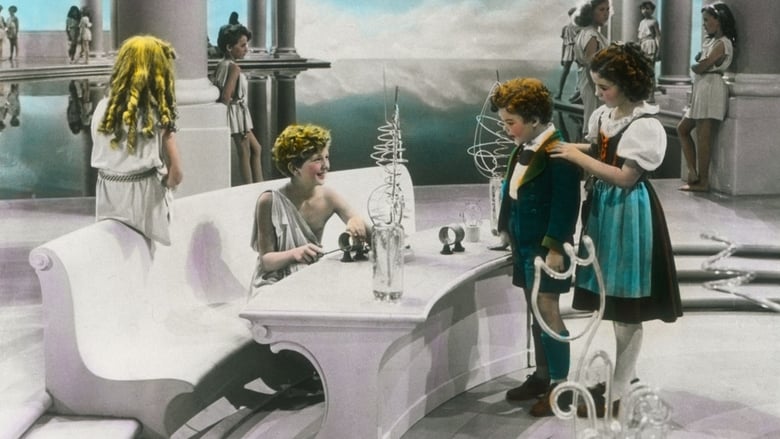
The plot takes us from one enchanting scene to another as Mytyl and Tyltyl venture into a dreamlike realm inhabited by various anthropomorphic creatures. Along their quest, they encounter personified pets, trees, and even household objects that reveal profound life lessons.
Reginald Owen and Tula Belle bring an undeniable charm to their roles as Tyltyl and Mytyl. Their innocent portrayal of these young protagonists warms the hearts of all who watch. In addition, Lillian Cook delivers a captivating performance as Angélique, brilliantly conveying her character’s ethereal nature.
One cannot discuss “The Blue Bird” without mentioning its splendid score composed by Victor Schertzinger. The music seamlessly intertwines with each scene, heightening emotions and accentuating the magical atmosphere. It is no wonder that this film’s popularity soared upon its release.
Filming this whimsical tale must have posed numerous challenges for director Maurice Tourneur and his team. Yet their ingenuity shines through with stunning cinematography techniques that transport viewers into an alternate reality. From vibrant colors to ethereal lighting effects, every frame is meticulously crafted to enhance the fantastical elements of the story.
Critics were equally effusive in their praise, hailing “The Blue Bird” as a delightful respite amidst the upheaval caused by the Great War. It was hailed as a whimsical portrayal of childhood innocence and a reminder of the importance of appreciating life’s simplest wonders.
Alas, despite its critical acclaim and popularity, “The Blue Bird” did not garner any major awards during its time. Nonetheless, its enduring appeal among audiences is a testament to its timeless storytelling and exceptional craftsmanship.
Notable among the film’s achievements is its innovative use of special effects for that era. From the transformation of animals into human-like beings to the creation of otherworldly landscapes, the technical prowess displayed in “The Blue Bird” was truly groundbreaking.
Dialogue in this film is as witty as one would expect from Jane Austen herself. Delightfully crafted exchanges between characters showcase their individual personalities, while also providing insight into deeper themes such as the meaning of happiness and our place in the world.
Behind the scenes, an army of talented crew members worked tirelessly to bring “The Blue Bird” to life. From costume designers creating whimsical attire to set decorators constructing fantastical realms, their collective efforts created an immersive world that continues to enchant viewers today.
Of course, no film is without its critics, and “The Blue Bird” was not immune to scrutiny. Some argued that it was overly sentimental or lacking in plot cohesion. However, these criticisms fail to acknowledge the film’s intended purpose: to transport audiences into a realm where imagination reigns supreme – a world where even inanimate objects possess souls.
Production may have faced numerous challenges during the making of “The Blue Bird,” but it is evident that meticulous editing ensured coherence and seamless transitions between scenes. The final product deserves accolades for its masterful storytelling techniques that keep viewers spellbound from beginning to end.
No discussion about this beloved film would be complete without mention of the enchanting soundtracks that accompany it. From lilting melodies to soaring orchestral arrangements, the music further elevates the film’s magical ambiance, leaving a lasting impression on all who bear witness.
“The Blue Bird” invites audiences into a world where dreams and reality intertwine, where childhood innocence blossoms, and where the search for happiness takes center stage. It remains one of cinema’s enduring treasures, conjuring a sense of wonder and reminding us all to cherish life’s simplest joys.
Technical Data
- Release : 1940-01-15
- Runtime : 83
- Genre : Adventure, Comedy, Family, Fantasy
- Cast : Shirley Temple as Mytyl, Spring Byington as Mummy Tyl, Nigel Bruce as Mr. Luxury, Gale Sondergaard as Tylette (the cat), Eddie Collins as Tylo (the dog)
- Crew : Darryl F. Zanuck as Producer, Alfred Newman as Music, Richard Day as Art Direction, Thomas Little as Set Decoration, Gwen Wakeling as Costume Design
- Revenue : 0
- Budget : 0
- Company : 20th Century Fox
- Popularity : 7.371
- Summary : An ungrateful girl and her little brother are transported in their dreams by a fairy to a wonderland, tasked with finding the mythical blue bird of happiness, meeting friends and foes along the way.
- Tagline : 1001 Wonders in Technicolor
