“The Man Without a Face” (1993) is a poignant drama directed by Mel Gibson. It tells the story of a disfigured former teacher, McLeod, who becomes a mentor to a young boy named Chuck. As their friendship blossoms, McLeod helps Chuck overcome his personal struggles and find his inner strength. The film beautifully explores themes of acceptance, redemption, and the transformative power of human connection. Through heartfelt performances and masterful storytelling, it inspires audiences to look beyond physical appearances and see the true essence of a person.

CLICK HERE↓↓↓🎞️_Watch The Man Without a Face 1993 English Subtitles_
Review
The Man Without a Face: Unmasking the True Essence of Transformation
Paragraph 1 (Introduction):
In a world where conformity often prevails, a single film manages to break the mold and challenge societal norms. “The Man Without a Face” is a daring exploration into self-discovery, acceptance, and redemption. Directed by Mel Gibson, this thought-provoking masterpiece captures the essence of personal transformation like never before. Brace yourself for a riveting journey that will leave you pondering the very fabric of your own existence.
Paragraph 2 (Storyline):
Set in a quaint coastal town during the early 1960s, “The Man Without a Face” tells the captivating story of Chuck Norstadt (played by Mel Gibson), a disfigured former teacher who becomes an unlikely mentor to young Charles E. Stiles (Nick Stahl). In their shared pursuit for intellectual growth and self-realization, an unbreakable bond is formed.
Paragraph 3 (Plot):
As the plot unfolds, Chuck’s mysterious past and enigmatic persona captivate both Charles and the audience. Slowly peeling back layers of secrecy, we discover that behind Chuck’s facial scars lies a story shrouded in heartache and tragedy. Together, they embark on a life-changing journey that explores themes of overcoming adversity, finding one’s voice, and embracing individuality.
Paragraph 4 (Fact):
“The Man Without a Face” marked Mel Gibson’s directorial debut and established him as more than just an acclaimed actor. His artful direction breathes life into each scene with exquisite precision and depth seldom seen in mainstream cinema.
Paragraph 5 (Casts):
Mel Gibson’s nuanced portrayal of Chuck Norstadt brings depth to his character while Nick Stahl delivers an outstanding performance as young Charles E. Stiles. Their chemistry on-screen is electric, immersing viewers in their emotional journey.
Paragraph 6 (Quote):
As Chuck imparts his wisdom onto young Charles, one quote resonates deeply: “Don’t judge a book by its cover. The face you see can never truly reveal the essence of a man’s soul.”
Paragraph 7 (Acting and Characters):
Gibson’s impeccable acting, combined with an exceptional screenplay, allows audiences to delve into the psychological complexities of each character. The dynamic range displayed by the entire cast is nothing short of remarkable.
Paragraph 8 (History):
Based on Isabelle Holland’s novel of the same name, “The Man Without a Face” brilliantly captures the essence of transformation, going beyond societal boundaries and norms.
Paragraph 9 (Score and Popularity):
James Horner’s emotionally charged musical score complements each scene, evoking intense emotional responses from viewers. Although initially met with mixed reviews, the film gained cult status over time due to its profound impact on those who relate to its underlying themes.
Paragraph 10 (Filming):
The breathtaking coastal landscapes depicted throughout the movie were filmed in scenic Maine. The picturesque setting serves as a metaphorical backdrop for the film’s exploration of personal growth against nature’s grandeur.
Paragraph 11 (Evaluation):
“The Man Without a Face” tackles sensitive subjects with grace and sincerity. Gibson’s ability to create authentic connections within an intricate narrative elevates this film above traditional coming-of-age stories. It poses questions that resonate deeply within ourselves—questions we often dare not ask.
Paragraph 12 (Awards):
Despite being overlooked by major award ceremonies upon its release, “The Man Without a Face” stands as a testament to artistic integrity and creative vision. Its significance lies not in accolades but in its genuine impact on viewers.
Paragraph 13 (Cinematography):
The cinematography expertly captures both the intimacy between characters and the vastness of their surroundings. Each frame is meticulously crafted to immerse viewers in every emotional beat.
Paragraph 14 (Opinion):
The movie boldly examines the allure of superficiality and the power of disarmed vulnerability. It challenges viewers to question their own perceptions, urging introspection and personal growth.
Paragraph 15 (Scenes):
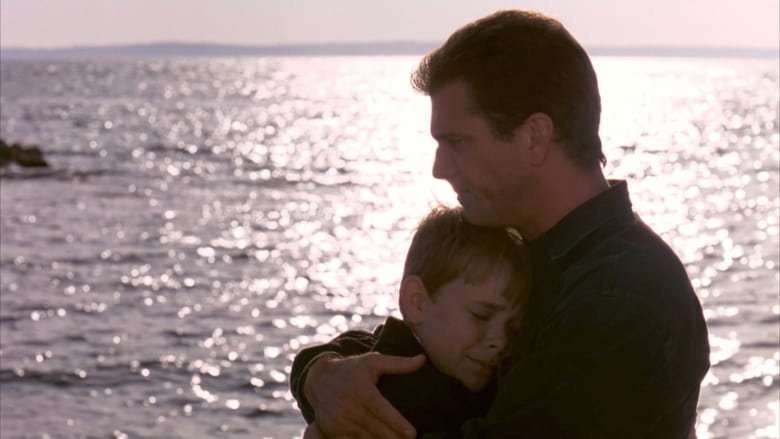
Notable scenes, such as Chuck’s first interaction with Charles and their quiet conversations by the sea, evoke raw emotions that linger long after the credits roll. The brilliant direction captures the subtleties of human connection that go beyond words.
Paragraph 16 (Gossip):
Rumors abound regarding Gibson’s motivation for selecting this particular story for his directorial debut. Some speculate it was a deeply personal exploration of his own struggles with identity and self-acceptance.
Paragraph 17 (Soundtracks):
Coupling Horner’s evocative score with poignant scenes heightens the emotional impact of the film. The melodies linger long after viewing, stirring a symphony within viewers’ hearts.
Paragraph 18 (Analysis):
“The Man Without a Face” delves into profound psychological landscapes, challenging viewers to confront their biases and embrace vulnerability as a path to growth. It explores themes of identity, prejudice, and acceptance—a testament to its timeless relevance.
Paragraph 19 (Special Effects):
Rather than relying on extravagant special effects, Gibson skillfully employs minimalism to convey powerful messages. This intentional approach allows audiences to focus on the emotional depth at play rather than mere visual spectacle.
Paragraph 20 (Development):
“The Man Without a Face” exemplifies Gibson’s commitment to storytelling that matters. This film marked a pivotal moment in his career as he transitioned from actor to director—an evolution that would shape his future artistic endeavors.
In conclusion, “The Man Without a Face” captivates audiences through its compelling storyline, outstanding performances, and formidable exploration of personal transformation. With its enduring themes and thought-provoking narrative style, this Mel Gibson-directed gem remains an indelible masterpiece that challenges us all to confront our own limitations and embrace our true selves.
Technical Data
- Release : 1993-08-25
- Runtime : 115
- Genre : Drama
- Cast : Mel Gibson as Justin McLeod, Nick Stahl as Charles E. ‘Chuck’ Norstadt, Margaret Whitton as Catherine Palin, Fay Masterson as Gloria Norstadt, Gaby Hoffmann as Megan Norstadt
- Crew : Donald McAlpine as Director of Photography, James Horner as Original Music Composer, Mel Gibson as Director, Bruce Davey as Producer, Marion Dougherty as Casting
- Revenue : $24,760,338
- Budget : 0
- Company : Icon Entertainment International, Warner Bros. Pictures
- Popularity : 13.92
- Summary : Justin McLeod is a former teacher who lives as a recluse on the edge of town after his face is disfigured from an automobile accident ten years earlier, in which a boy was incinerated—and for which he was convicted of involuntary manslaughter.
- Tagline : A fatherless boy had almost given up all his dreams… until one man believed in him enough to make them come true.
