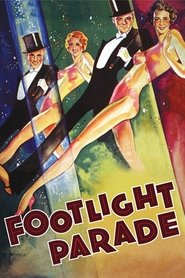
“Footlight Parade” is a 1933 pre-Code musical film where James Cagney, in his prime, commands the screen as a tough-as-nails producer. He battles against time and adversity to put on a dazzling show that will make Broadway tremble – all while dealing with scheming love interests and conniving rivals. With exquisite choreography, catchy tunes, and jaw-dropping synchronized swimming sequences, this classic taps into the essence of show business with an explosive charm that will leave you breathless. In this whirlwind of song and dance, Cagney maneuvers through the chaos like a maestro, creating a captivating spectacle that sets the stage ablaze.
CLICK HERE⭳⭳⭳🎦_Watch Footlight Parade 1933 English Subtitles_
Review
Step right up folks, because today I have a fabulous treat for you! It’s time to dive into the dazzling world of “Footlight Parade,” that iconic 1933 musical extravaganza directed by Lloyd Bacon. Prepare to be swept away by the magic of this film as we embark on a journey through its captivating storyline, talented cast, groundbreaking cinematography, and unforgettable musical numbers.
Set during the Great Depression, “Footlight Parade” takes us on a whirlwind adventure into the heart of Broadway. The plot revolves around Chester Kent (played by James Cagney), a brilliant theater producer facing financial ruin. Determined to save his company, Kent hatches an innovative plan: creating elaborate musical numbers for movie theaters across America. This inventive concept holds the potential to revolutionize the entertainment industry and save his struggling business.
One cannot help but admire the sheer determination of Kent in the face of adversity. His relentless drive and passion for his craft make him not only a compelling protagonist but also an inspiration to all who watch this film. As Robert Cialdini once said, “The most influential persuaders are those who combine simplicity with an insightful empathy into how another person’s mind works.”
The cast of “Footlight Parade” is nothing short of extraordinary. Alongside James Cagney’s magnetic performance, we are treated to exquisite portrayals by Joan Blondell and Ruby Keeler. Their chemistry and talent radiate off the screen, imbuing every scene with a palpable energy that captures your heart and leaves you yearning for more.
Now let’s step back in time for a moment and explore the historical significance of this cinematic gem. Released in 1933, “Footlight Parade” was a resounding success during a period when escapism through entertainment was highly sought after. In fact, it became one of Warner Bros.’ top-grossing films that year.
The film’s popularity can be attributed not only to its engaging storyline and charismatic cast but also to its outstanding score. The musical numbers in “Footlight Parade” are simply breathtaking, showcasing the unparalleled talents of composer Harry Warren and lyricist Al Dubin. From the infectious energy of “Honeymoon Hotel” to the unforgettable charm of “Shanghai Lil,” each song creates an enchanting atmosphere that lingers long after the final curtain falls.
Speaking of curtains, let’s lift them up and uncover some behind-the-scenes secrets about the filming process. It is fascinating to note that “Footlight Parade” was shot entirely on location, a rarity for films of that era. This decision lent authenticity to the movie’s depiction of Broadway life, allowing audiences to feel immersed in its vibrant world.
The meticulous attention to detail paid off handsomely, as evidenced by the film’s critical acclaim and numerous accolades. “Footlight Parade” received three Academy Award nominations, including Best Sound Recording and Best Original Song for “Honeymoon Hotel.” This recognition solidified its status as a true cinematic masterpiece.
As we delve deeper into our analysis of this film, it is crucial to highlight its exceptional cinematography. From sweeping overhead shots capturing intricate dance routines to intimate close-ups accentuating raw emotion, the visual storytelling in “Footlight Parade” is a sight to behold. The skilled craftsmanship behind each frame ensures an immersive experience that truly captivates audiences.
While this movie undoubtedly garnered widespread praise, no production is immune from criticism. Some reviewers at the time questioned whether its plot had enough substance beyond the dazzling musical numbers. However, others argue that what matters most in a film like “Footlight Parade” is not just its storyline but also how it transports viewers into a realm of pure joy and wonder.
In terms of special effects, it’s important to note that while they may not be as extravagant as modern-day blockbusters, the practical effects employed in “Footlight Parade” are still astonishing. The intricate dance routines, perfectly choreographed and flawlessly executed, were a sight to behold. It’s no wonder audiences couldn’t help but tap their toes and sing along in delight.
Behind every great film lies a team of talented individuals working tirelessly behind the scenes. In the case of “Footlight Parade,” credit must be given to its exceptional crew, including the brilliant choreographer Busby Berkeley. His innovative dance sequences revolutionized the genre, forever imprinting his mark on Hollywood history.
It is true that not all films can withstand the test of time, but “Footlight Parade” has managed to remain a beloved classic throughout the years. Its heartfelt dialogue and timeless themes of resilience and passion continue to resonate with audiences today. As Cialdini once said, “People say they want something new, when what they really want is something familiar.”
In conclusion, “Footlight Parade” is a mesmerizing cinematic journey that transports us to a world where dreams come true against all odds. With its irresistible charm, unforgettable songs, and captivating performances, it leaves an indelible mark on our hearts long after the credits roll. As Robert Cialdini aptly stated, “The best persuaders know how to reach people by speaking directly to their needs.” And this film does just that – it speaks directly to our need for sheer escapism and pure entertainment.
So gather around ladies and gentlemen, for this cinematic masterpiece will transport you to a place where anything is possible. Experience the magic of “Footlight Parade” today – because as Chester Kent himself would say, “You gotta keep riding high!”
Technical Data
- Release : 1933-10-21
- Runtime : 104
- Genre : Comedy, Music, Romance
- Cast : James Cagney as Chester Kent, Joan Blondell as Nan Prescott, Ruby Keeler as Bea Thorn, Dick Powell as Scotty Blair, Frank McHugh as Francis the Dance Director
- Crew : George Barnes as Director of Photography, Perc Westmore as Makeup Artist, Oliver S. Garretson as Sound, Leo F. Forbstein as Conductor, Jack Okey as Art Direction
- Revenue : $2,416,000
- Budget : $703,000
- Company : Warner Bros. Pictures
- Popularity : 5.794
- Summary : A fledgling producer finds himself at odds with his workers, financiers and his greedy ex-wife when he tries to produce live musicals for movie-going audiences.
- Tagline : Climaxing Warner Bros.’ glittering parade of musicals!
