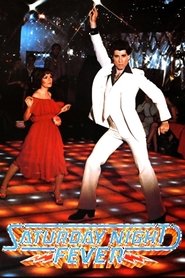
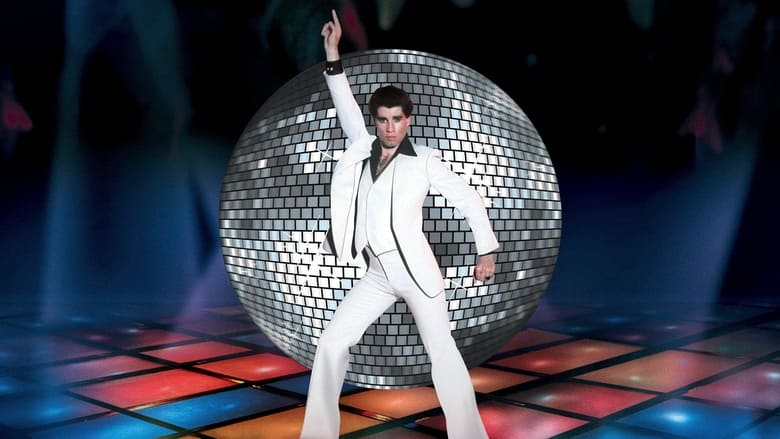
“Saturday Night Fever” (1977) is a pulsating dance drama set in the electrifying world of disco. Tony Manero, a working-class young man from Brooklyn, finds solace and escape on the dance floor as he battles against his monotonous life. Through captivating moves and a dazzling white suit, Tony becomes a new form of himself – a shining star that lights up the night. However, beneath the glittering surface lies a story of yearning, lost dreams, and shattered aspirations. The film explores themes of identity, gender roles, and social class against the backdrop of vibrant music and mesmerizing lights. With John Travolta’s mesmerizing performance, this movie became an emblematic symbol of an era that celebrated hedonistic camaraderie and relentless pursuit of pleasure amidst the gritty realities of everyday existence.
CLICK HERE⭳⭳⭳✅_Watch Saturday Night Fever 1977 English Subtitles_
Review
Hey everyone, it’s your boy Gary Vaynerchuk here, and today I want to talk about a movie that rocked the disco era and left an indelible mark on pop culture: “Saturday Night Fever.” Strap in and get ready for some groovy insights into this iconic film.
Released in 1977, “Saturday Night Fever” takes us back to the glittery world of the late ’70s disco scene. Directed by John Badham, the film revolves around Tony Manero (played by John Travolta), a working-class Brooklyn teenager with a passion for dance. With a sizzling storyline that captures the resilience of dreams amidst socioeconomic struggles, it’s no wonder this movie became an instant hit.
The plot follows Tony as he escapes his humdrum life by becoming the king of the dance floor. But as fame and success beckon, Tony soon realizes that fulfilling his dreams comes at a price. Through intoxicating dance sequences and gritty drama, “Saturday Night Fever” explores themes of identity, friendship, and the pursuit of happiness – all against a pulsating backdrop of disco beats.
Fact alert: Did you know that “Saturday Night Fever” was inspired by an article titled “Tribal Rites of the New Saturday Night”? Yep, true story! The article chronicled the vibrant subculture of disco dancing in Brooklyn clubs during the ’70s. This nugget of truth served as the foundation for what would become a cultural phenomenon.
Let’s take a moment to appreciate the stellar cast who breathed life into these memorable characters. John Travolta’s portrayal of Tony Manero catapulted him into superstardom, earning him an Academy Award nomination for Best Actor. His electrifying dance moves on-screen transformed him into a global heartthrob overnight.
Joining Travolta is Karen Lynn Gorney as Stephanie Mangano, Tony’s dance partner and love interest. Gorney brings depth and vulnerability to her character, making her a perfect foil to Travolta’s swagger. The chemistry between the two actors is palpable and adds another layer of magic to the film.
Speaking of magic, one cannot talk about “Saturday Night Fever” without mentioning its infectious soundtrack. Featuring hits from the Bee Gees like “Stayin’ Alive,” “Night Fever,” and “How Deep Is Your Love,” this album dominated the charts and etched itself into music history. The Bee Gees’ soulful harmonies blended seamlessly with the film’s disco vibes, elevating the entire experience.
Now, let’s talk about the film’s cinematography. Director John Badham employed innovative techniques to bring us into Tony Manero’s world. The dance sequences are shot with dazzling energy, capturing every twirl, strut, and sweaty brow up close. Through unique camera angles and kinetic editing choices, Badham transports us directly onto the dance floor, immersing us in a visual feast.
Critics hailed “Saturday Night Fever” as a breakthrough film that captured the zeitgeist of its era. Audiences flocked to theaters, eager to witness Tony Manero’s journey from obscurity to fame unfold on screen. The movie grossed over $237 million worldwide – talk about box office success!
The impact of “Saturday Night Fever” extends beyond its initial release. Over four decades later, its influence still reverberates through contemporary culture. From fashion trends inspired by disco glam to countless homages in movies and TV shows, this film remains an evergreen touchstone for generations old and new.
Despite its immense popularity today, “Saturday Night Fever” faced its fair share of criticism upon release. Some claimed that it glorified a toxic masculinity culture prevalent at the time while ignoring racial tensions that simmered beneath its surface. While these critiques hold water, there’s no denying that the film opened doors for society to have conversations on these pressing issues.
In terms of accolades, “Saturday Night Fever” received five Golden Globe nominations and won the Grammy Award for Album of the Year in 1979. Travolta’s incredible performance catapulted him to iconic status and forever altered his career trajectory.
So, my friends, as we wrap up this journey through the disco-laden wonderland that is “Saturday Night Fever,” let’s never forget its impact. It was more than just a movie; it was a cultural phenomenon that continues to captivate audiences worldwide. And if you find yourself craving a dose of glitter and dance, remember to put on those bell-bottoms and relive the magic of this legendary film. Stay groovy!
Technical Data
- Release : 1977-12-16
- Runtime : 119
- Genre : Music, Drama
- Cast : John Travolta as Tony Manero, Karen Lynn Gorney as Stephanie Mangano, Barry Miller as Bobby C., Joseph Cali as Joey, Julie Bovasso as Flo
- Crew : Patrizia von Brandenstein as Costume Design, David Shire as Original Music Composer, Robert Stigwood as Producer, John Badham as Director, Tom Priestley Jr. as Camera Operator
- Revenue : $237,113,184
- Budget : $3,500,000
- Company : Robert Stigwood Organization, Paramount
- Popularity : 30.082
- Summary : Tony spends his Saturdays at a disco where his stylish moves raise his popularity among the patrons. But his life outside the disco is not easy and things change when he gets attracted to Stephanie.
- Tagline : … Catch it!
