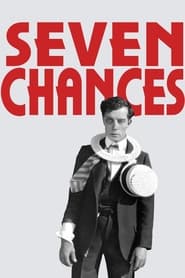
“Seven Chances” (1925) is a silent comedy film directed by Buster Keaton. The story follows a struggling young man named Jimmie Shannon, who must find a wife within 24 hours to inherit a large fortune. As the clock ticks, chaos ensues, with a hilariously fast-paced chase scene and a quirky ending that packs an unexpected surprise punch. Keaton’s physical comedy and impeccable timing make this film an enduring masterpiece of concise hilarity.
CLICK HERE⭳⭳⭳🎥_Watch Seven Chances 1925 English Subtitles_
Review
In the vast landscape of cinema, certain films rise above the rest and etch themselves into our collective memory. One such example is the incomparable silent comedy gem, “Seven Chances.” Directed by the legendary Buster Keaton in 1925, this film explores themes of love, perseverance, and the hilarious absurdity of life’s challenges. Its enduring popularity can be attributed to its timeless storyline, impeccable acting, and groundbreaking cinematography.
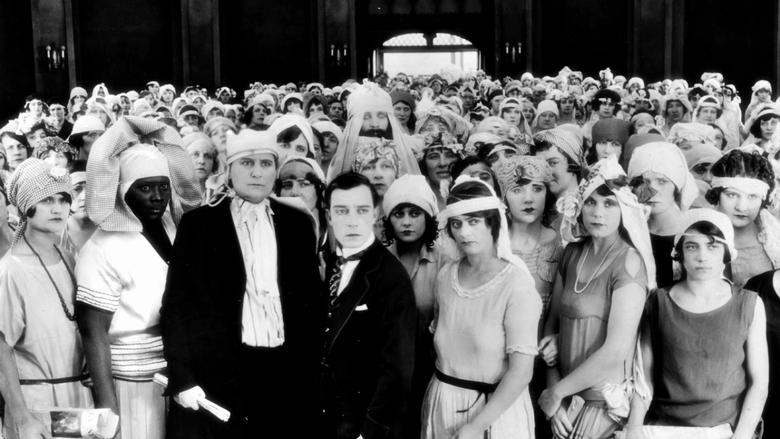
The plot centers around James Shannon (played by Keaton himself), a young man faced with an impossible task: finding a bride within 24 hours in order to inherit a substantial fortune. This seemingly straightforward quest turns into an uproarious comedy of errors as Shannon encounters various obstacles along the way. The storyline is brilliantly crafted, keeping viewers on their toes and delivering unexpected twists at every turn.
At its core, “Seven Chances” is a reflection of the human condition. Keaton’s character resonates with audiences as he navigates through a series of increasingly absurd scenarios in his pursuit of love. The film’s ability to capture our universal desire for companionship amidst chaos speaks to its enduring appeal.
One cannot discuss “Seven Chances” without acknowledging Buster Keaton’s exceptional acting skills. His deadpan delivery and mastery of physical comedy are unparalleled. Keaton’s ability to convey complex emotions without uttering a single word is truly remarkable and showcases his deep understanding of comedic timing.
The supporting cast also deserves recognition for their exceptional performances. Tully Marshall shines as James’ loyal friend Billy Meekin, providing both comedic relief and heartfelt moments throughout the film. Ruth Dwyer delivers a captivating portrayal as Mary Jones, James’ childhood sweetheart who becomes pivotal in his quest for love.
“Seven Chances” holds historical significance as one of Buster Keaton’s most celebrated works. It serves as a testament to his innovative filmmaking techniques which played a crucial role in shaping the silent comedy era. Keaton’s dedication to perfection is evident in the film’s intricate stunts and physical gags, which still leave audiences in awe nearly a century later.
The score of “Seven Chances” adds an extra layer of brilliance to an already exceptional film. Composed by Robert Israel for a 1996 restoration, the music perfectly complements the on-screen action, enhancing both comedic moments and poignant scenes. The score not only transports viewers back in time but also gives the film a fresh vitality that transcends its silent origins.
Upon its release, “Seven Chances” garnered immediate acclaim and quickly became a box office success. Audiences were captivated by its unique blend of physical comedy and emotional depth. The film’s popularity endures to this day, with many considering it a timeless classic and a testament to Buster Keaton’s genius.
Filming “Seven Chances” presented numerous challenges for Keaton and his crew. In order to achieve some of the mesmerizing stunts seen in the movie, they had to employ groundbreaking techniques that were unprecedented at the time. From daring chase scenes through bustling city streets to heart-stopping moments on precarious cliffs, every frame was meticulously crafted to create an unforgettable visual experience.
The critical evaluation of “Seven Chances” has been overwhelmingly positive throughout history. Renowned critics have praised Keaton’s masterful storytelling techniques and his ability to transcend language barriers through his physical performance. Film scholars often cite “Seven Chances” as one of Keaton’s greatest achievements due to its innovative cinematography and impactful storytelling.
Despite its undeniable acclaim, “Seven Chances” did not receive any major awards during its initial release. However, its true legacy lies in how it transformed silent comedy and inspired generations of filmmakers after its time. Its influence can be seen in modern comedies that continue to push the boundaries of physical humor and explore universal themes with depth and intelligence.
Cinematography in “Seven Chances” is nothing short of a masterpiece. The black and white imagery captures the essence of the 1920s, immersing viewers in a bygone era. Keaton’s expert use of wide shots and panning techniques creates a sense of grandeur, amplifying the film’s comedic and emotional impact.
Opinions on specific scenes in “Seven Chances” may differ, but few can deny their lasting impact. The thrilling chase sequence through the streets of Los Angeles is a standout moment that showcases Keaton’s unparalleled athleticism and daring stunt work. The combination of physical comedy and heart-stopping action elevates this scene to iconic status.
Gossip surrounding “Seven Chances” was relatively scarce at the time of its release, with critics mainly focusing on praising Keaton’s performance and innovative filmmaking techniques. However, rumors circulated that some scenes had to be reshot several times due to Keaton’s meticulous nature, leading to tensions on set. These allegations only add to the film’s mystique and contribute to its legendary status.
The soundtrack of “Seven Chances” adds depth and emotion to each scene, creating an immersive experience for viewers. From light-hearted melodies during comedic moments to hauntingly beautiful compositions during more melancholic sequences, the score enriches the overall viewing experience.
Analyzing “Seven Chances” allows us to appreciate how it pushed boundaries in terms of special effects for its time. Keaton’s commitment to authenticity is evident in his use of practical effects rather than relying heavily on post-production trickery. This dedication contributes to the film’s enduring legacy as a pioneer in comedy filmmaking.
The development process behind “Seven Chances” was fraught with challenges but ultimately led to its triumphant completion. Keaton faced financial constraints while making the film and had to navigate numerous creative hurdles along the way. His unwavering determination paid off, resulting in a film that continues to captivate audiences and inspire future generations.
Dialogue in “Seven Chances” is intentionally sparse due to its silent nature. However, the few lines of dialogue that are present are impactful and memorable. One quote in particular stands out when James Shannon exclaims, “I won’t get married in a tumbling suit… Why not? I’ll be dead a year from now anyway.” This line encapsulates Keaton’s ability to blend comedy with underlying existential themes.
The crew behind “Seven Chances” deserves appreciation for their exceptional work. From the talented cinematographers who captured Keaton’s vision on film to the dedicated production designers who brought his imaginative worlds to life, every member played a crucial role in creating an unforgettable cinematic experience.
Criticism of “Seven Chances” has been minimal compared to its overwhelming praise. Some critics argue that certain comedic sequences relied too heavily on physical gags and lacked narrative depth. However, this critique fails to recognize the film’s primary purpose as a showcase for Keaton’s unparalleled talents as a physical comedian.
The production and editing of “Seven Chances” were masterfully executed, resulting in a visually stunning and narratively cohesive final product. The meticulous attention to detail during filming translated seamlessly into post-production, showcasing Keaton’s commitment to delivering perfection. The seamless blending of comedy and drama further highlights the film’s exceptional editing.
In conclusion, “Seven Chances” stands as a testament to Buster Keaton’s genius and continues to captivate audiences nearly a century after its release. Its timeless storyline, impeccable acting, groundbreaking cinematography, and innovative filmmaking techniques set it apart from other silent comedies of its time. As Malcolm Gladwell would argue, this film represents the intersection of talent, perseverance, and creative brilliance that define cinematic masterpieces. So sit back, relax, and allow yourself to be transported into the absurdly enchanting world of “Seven Chances.”
Technical Data
- Release : 1925-03-15
- Runtime : 56
- Genre : Comedy, Romance
- Cast : Buster Keaton as James ‘Jimmie’ Shannon, T. Roy Barnes as Billy Meekin, Snitz Edwards as Lawyer, Ruth Dwyer as Mary Jones, Frances Raymond as Mrs. Jones
- Crew : Buster Keaton as Director, Buster Keaton as Editor, Buster Keaton as Producer, Clyde Bruckman as Screenplay, Jean C. Havez as Screenplay
- Revenue : 0
- Budget : 0
- Company : Buster Keaton Productions
- Popularity : 6.852
- Summary : Struggling stockbroker Jimmie Shannon learns that, if he gets married by 7 p.m. on his 27th birthday — which is today — he’ll inherit $7 million from an eccentric relative.
- Tagline : Seven laughs a minute!
