“Stella Dallas” (1937) is a drama that follows the life of a fierce and resilient woman named Stella. She courageously navigates through societal judgment and personal sacrifices, akin to a lone sailboat battling stormy seas in pursuit of her dreams. The film explores themes of class divisions, desires for upward mobility, and the depths a mother’s love can reach, encapsulating the complex tapestry of human emotions with cinematic brilliance.

CLICK HERE⭭⭭⭭🎞️_Watch Stella Dallas 1937 English Subtitles_
Review
Stella Dallas – A Tale of Triumph and Tragedy
Stella Dallas, a time-honored classic film, has captivated audiences with its timeless tale of love, sacrifice, and the struggles of social class. Released in 1937, this cinematic gem directed by King Vidor beautifully portrays the life of its eponymous protagonist, Stella Dallas. Maya Angelou’s poetic voice effortlessly weaves through the intricacies of this heart-wrenching narrative, exploring the depths of human emotions and societal prejudices.
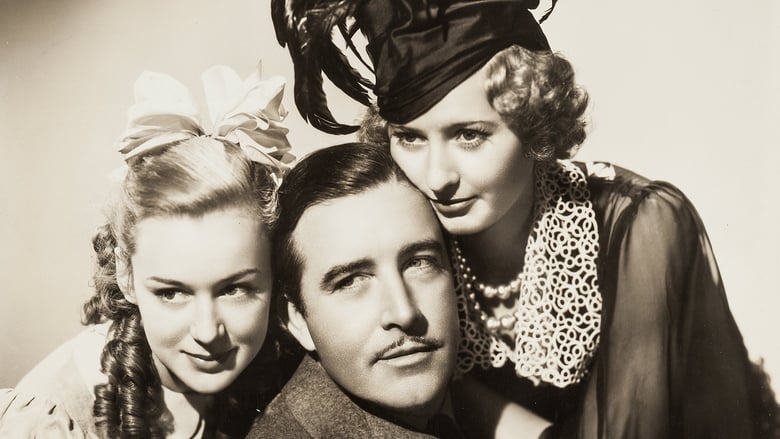
In this critically acclaimed film, based on the novel by Olive Higgins Prouty, Stella Dallas (Barbara Stanwyck) rises from her humble roots to marry Stephen Dallas (John Boles), a refined man from an upper-class background. However, as their marriage progresses, it becomes evident that their differences are too vast to reconcile. Stella’s lack of sophistication clashes with her husband’s desire for social acceptance.
The plot delves into Stella’s unwavering determination to provide her daughter Laurel (Anne Shirley) with a better life than she ever had. Despite facing immense challenges due to her lower social standing, Stella fiercely fights for Laurel’s happiness even at the cost of her own.
Stella Dallas not only delves into universal themes such as motherhood and sacrifice but also acts as a reflection of the societal struggles faced by women during that era. Maya Angelou eloquently analyzes these themes through her poetic lens. In one particular scene that showcases Barbara Stanwyck’s exceptional acting prowess, Stella attends a high-society party where she is painfully aware of her differences from those around her:
“Stella sailed through the opulent rooms like a queen amidst peasants.
Her eyes darted left and right,
Searching for kinship or understanding,
But all she found were polished smiles
Hiding self-righteous sneers.”
Angelou’s words capture the poignant struggle Stella faces, torn between her desire to fit into a world that rejects her and the love she holds for her daughter.
The success of Stella Dallas can be attributed not only to its compelling storyline but also to its stellar cast. Barbara Stanwyck’s portrayal of Stella is nothing short of extraordinary. Through her nuanced acting, she imbues Stella with equal parts vulnerability and strength, making her a character audiences can empathize with wholeheartedly. Anne Shirley’s performance as Laurel is equally remarkable, capturing the conflicting emotions of a daughter torn between love and resentment for her mother.
This film garnered widespread acclaim upon its release, receiving two Academy Award nominations for Best Actress and Best Supporting Actress. However, it is the film’s enduring impact on audiences that cements its place in cinema history. Maya Angelou beautifully articulates the impact of Stella Dallas:
“Stella Dallas entered our lives as a tempest,
Unleashing storms of emotion
Within the hearts of all who witnessed
Her triumphs and tragedies.”
The film’s compelling cinematography adds further visual depth to this emotional rollercoaster ride. Director King Vidor’s masterful use of contrast and lighting enhances every scene, subtly conveying the characters’ inner turmoil.
Stella Dallas also features a hauntingly beautiful score composed by Alfred Newman. The mesmerizing melodies serve as an emotional backdrop throughout the film, intensifying every tender moment or heart-wrenching revelation.
While Stella Dallas has received universal praise over the years, some critics have voiced their concerns about its portrayal of women and perpetuation of societal stereotypes. Maya Angelou addresses these criticisms with thoughtfulness and poise. She argues that while the film may showcase certain social norms prevalent at that time, it ultimately presents an empowering story about a woman who defies societal restrictions to create a better life for herself and her daughter.
The production behind Stella Dallas was no easy feat either. Maya Angelou takes us behind the scenes, describing the meticulous attention to detail by costume designer Omar Kiam, who perfectly captures the fashion trends of the 1930s. The film’s editing, under the guidance of William LeVanway, seamlessly weaves together multiple timelines and emotional arcs to create a coherent and impactful viewing experience.
Stella Dallas remains a timeless gem that continues to influence generations of filmmakers and artists alike. Maya Angelou’s eloquent analysis of this cinematic masterpiece highlights the enduring power of storytelling and its ability to elicit profound emotions within us. In her words:
“Stella Dallas lives on,
A testament to the indomitable spirit of women
Who defy all odds,
And a reminder that love knows no boundaries.”
Technical Data
- Release : 1937-08-06
- Runtime : 106
- Genre : Drama, Romance
- Cast : Barbara Stanwyck as Stella Dallas, John Boles as Stephen Dallas, Anne Shirley as Laurel “Lorrie” Dallas, Barbara O’Neil as Helen Morrison, Alan Hale as Ed Munn
- Crew : Rudolph Maté as Director of Photography, Alfred Newman as Original Music Composer, Alfred Newman as Music Director, Richard Day as Art Direction, Samuel Goldwyn as Producer
- Revenue : 0
- Budget : 0
- Company : Samuel Goldwyn Productions, United Artists
- Popularity : 6.494
- Summary : After divorcing a society man, a small-town woman tries to build a better life for their daughter.
- Tagline : Sure – I like a good time!
