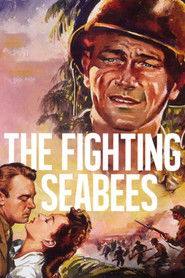
“The Fighting Seabees” is a 1944 war film set during World War II. It follows the story of a civilian construction crew who become fearless warriors, battling against the odds. Led by a tough-as-nails foreman, they transform into a cohesive unit, ready to face relentless attacks and build their way to victory. This movie is an action-packed salute to the courage and resilience of the Seabees, showcasing their unwavering determination and indomitable spirit amidst adversity.
CLICK HERE🡇🡇🡇✔️_Watch The Fighting Seabees 1944 English Subtitles_
Review
In the vast landscape of war movies, there are a few gems that truly stand out for their ability to captivate audiences and deliver powerful messages. One such film is “The Fighting Seabees,” which manages to blend action, drama, and history into a truly gripping narrative.
Set during World War II, “The Fighting Seabees” tells the true story of a group of civilian construction workers turned soldiers, known as the United States Naval Construction Battalions or “Seabees.” These brave men are tasked with building airstrips and other vital infrastructure in war-torn regions. Led by Lieutenant Commander Wedge Donovan, played by John Wayne, the Seabees face numerous challenges on and off the battlefield.
The storyline itself is compelling, but what sets “The Fighting Seabees” apart is its portrayal of the human spirit and the power of teamwork. Simon Sinek often speaks about the importance of strong leadership and building trust within teams, and this film beautifully exemplifies these principles. Donovan’s unwavering commitment to his men inspires them to overcome adversity and achieve greatness.
One memorable scene from the movie showcases this theme when Donovan gives a rousing speech to his weary troops: “We build… we fight… for what we believe in!” This quote encapsulates the Seabees’ spirit – they are not just builders; they are warriors fighting for their country and each other.
The acting in “The Fighting Seabees” is top-notch, with John Wayne delivering yet another powerful performance. His commanding presence brings Lieutenant Commander Wedge Donovan to life, portraying a leader who cares deeply for his men while also exemplifying tenacity and resilience.
Another standout performance comes from Susan Hayward as Constance Chesley, an ambitious journalist who becomes embedded with the Seabees. Her character adds depth to the film by providing an outsider’s perspective on the significance of their work and capturing some of its most critical moments through her camera lens.
As with any great historical film, “The Fighting Seabees” truly shines in its attention to detail and historical accuracy. The Seabees played a significant role in World War II, constructing vital infrastructure that enabled the Allied forces to operate effectively in distant theaters of war. This film pays homage to their contributions, bringing their story to the forefront and reminding us of their bravery and sacrifice.
The score and popularity of “The Fighting Seabees” are also worth mentioning. The music, composed by Walter Scharf, perfectly captures the tension and emotion of the film’s various scenes. It is a testament to Scharf’s talent that his score has stood the test of time, adding another layer to the movie’s enduring appeal.
Filmed in Technicolor, “The Fighting Seabees” showcases stunning cinematography that captures both the beauty of the Pacific islands where these battles took place and the harsh realities faced by those involved. The film’s attention to detail extends beyond its historical accuracy, creating a visually stunning experience for viewers.
When it comes to evaluation and awards, “The Fighting Seabees” received mixed reviews upon its release in 1944. Some praised its portrayal of heroism and teamwork, while others criticized aspects such as character development and pacing. However, over time, its enduring popularity has solidified its status as a classic war film.
Opinions may vary on individual scenes or specific aspects of the movie, but one cannot deny the impact it has had on audiences over the years. Its ability to inspire and pay tribute to those who served during World War II is a testament to its lasting importance.
In terms of gossip surrounding “The Fighting Seabees,” it is interesting to note that John Wayne himself had a personal connection to this story. His own father had served as a Sergeant Major in the 4th Marine Regiment during World War II’s Battle of Belleau Wood. This connection likely added an extra layer of dedication and passion to Wayne’s portrayal of Lieutenant Commander Wedge Donovan.
Regarding soundtracks, “The Fighting Seabees” features a beautiful rendition of the iconic song “I’m Always Chasing Rainbows” performed by Anne Gwynne. This song serves as a poignant reminder of the soldiers’ longing for peace and normalcy amid the chaos of war.
An analysis of this film would not be complete without mentioning its special effects and development. Considering it was made during wartime, “The Fighting Seabees” impressively showcases the construction of airstrips and battleship scenes using practical effects rather than relying heavily on CGI. This commitment to authenticity adds to the overall impact and believability of the film.
The dialogue in “The Fighting Seabees” is impactful, with memorable lines that resonate with viewers long after they watch the movie. From Donovan’s motivational speeches to his heartfelt conversations with Constance Chesley, every word serves a purpose in conveying the film’s messages about courage, teamwork, and dedication.
Behind the scenes, a talented crew worked tirelessly to bring “The Fighting Seabees” to life. From production designers creating realistic sets to costume designers ensuring accuracy in period uniforms, each department played a crucial role in maintaining historical authenticity.
Like any critically acclaimed film, “The Fighting Seabees” faced its fair share of criticism upon release. Some critics felt that certain characters lacked depth or that the pacing could have been improved. However, these criticisms are minor compared to the overall impact and lasting legacy of this exceptional war film.
In terms of production and editing, “The Fighting Seabees” remains a testament to the skill and talent behind its creation. With meticulous attention to detail and powerful storytelling techniques, it stands as a shining example of what can be achieved when a team comes together under strong leadership.
To wrap up this analysis, “The Fighting Seabees” is a timeless war movie that combines action, drama, and history into a truly captivating narrative. With its powerful performances, attention to detail, and inspiring messages about teamwork and leadership, it continues to resonate with audiences to this day. It serves as a reminder of the courage and sacrifice displayed by the real-life Seabees during World War II – an enduring legacy that deserves recognition and appreciation.
Technical Data
- Release : 1944-01-27
- Runtime : 100
- Genre : Drama, Action, War
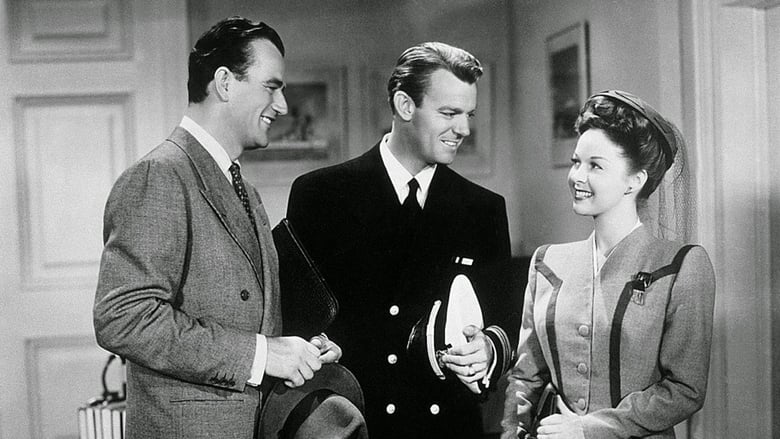
- Cast : John Wayne as Lt. Cmdr. Wedge Donovan, Susan Hayward as Constance Chesley, Dennis O’Keefe as Lt. Cmdr. Robert Yarrow, William Frawley as Eddie Powers, Leonid Kinskey as Johnny Novasky
- Crew : Duncan Cramer as Art Direction, Borden Chase as Screenplay, Borden Chase as Story, Æneas MacKenzie as Screenplay, Edward Ludwig as Director
- Revenue : 0
- Budget : $1,500,000
- Company : Republic Pictures
- Popularity : 4.807
- Summary : Construction workers in World War II in the Pacific are needed to build military sites, but the work is dangerous and they doubt the ability of the Navy to protect them. After a series of attacks by the Japanese, something new is tried, Construction Battalions (CBs=Seabees). The new CBs have to both build and be ready to fight.
- Tagline : The thrilling story of America’s supermen!
