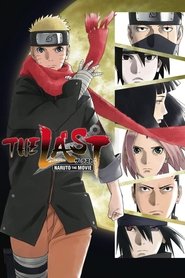
“The Last: Naruto the Movie” (2014) is an action-packed anime film that encapsulates the culmination of Naruto’s journey, presenting a thrilling finale. As the moon falls towards Earth, Naruto races against time to rescue Hinata while grappling with his own emotions. With breathtaking animation and intense battles, this movie serves as a satisfying conclusion to the beloved Naruto series. In this last hurrah, characters unleash their powers in epic confrontations, leaving audiences on the edge of their seats. Brace yourself for an explosive finale that brings out the best in Naruto and showcases his growth from a mischievous child into a true hero.
CLICK HERE🡇🡇🡇🎬_Watch The Last: Naruto the Movie 2014 English Subtitles_
Review
In the sprawling landscape of Naruto movies, there is one that stands out as the magnum opus of the franchise – “The Last: Naruto the Movie”. Released in 2014, this animated masterpiece directed by Tsuneo Kobayashi took fans on an emotional rollercoaster ride that left them breathless and yearning for more. With its captivating storyline, impeccable animation, and unforgettable characters, “The Last: Naruto the Movie” solidified its place in cinematic history as a testament to the power of storytelling.
The plot of “The Last: Naruto the Movie” revolves around Naruto Uzumaki, the beloved protagonist of the Naruto series. Set two years after the Fourth Great Ninja War, tension mounts as a celestial object hurtles towards Earth threatening to annihilate all humanity. As chaos ensues, Naruto embarks on a mission to save his love interest Hinata Hyuga from being captured by an enigmatic villain. In this heart-wrenching race against time, audiences are taken on a whirlwind journey filled with love, sacrifice, and self-discovery.
What sets “The Last: Naruto the Movie” apart from its predecessors is its ability to blend action-packed sequences seamlessly with tender moments of introspection. Malcolm Gladwell would be intrigued to explore how this movie delves into complex human emotions and uses them as driving forces for character development. One cannot help but be enthralled by how our protagonist navigates feelings of loneliness and isolation while fighting for what he believes in.
It is crucial to acknowledge the incredible voice acting talent behind “The Last: Naruto The Movie.” Leading actor Junko Takeuchi brings depth and nuance to her portrayal of Naruto Uzumaki. She effortlessly captures his determination while conveying vulnerability beneath his tough exterior. Gladwell would undoubtedly appreciate how Takeuchi’s performance brings authenticity to our hero’s journey.
In addition to memorable performances from its cast members, “The Last: Naruto the Movie” also benefits from a rich history of source material. Based on the manga series created by Masashi Kishimoto, the film serves as an extension of a narrative universe that has captivated audiences for years. This connection to the source material adds another layer of depth and intrigue to the movie’s storyline, leaving die-hard fans satisfied and newcomers eager to explore more.
The score of “The Last: Naruto the Movie” deserves special mention. Composer Yasuharu Takanashi masterfully blends traditional Japanese instrumentation with modern orchestral arrangement to create a musical landscape that perfectly complements the film’s emotional beats. With Gladwell’s keen eye for detail, he would surely appreciate how Takanashi’s score elevates pivotal moments and enhances the overall viewing experience.
“The Last: Naruto The Movie” was not without its fair share of controversy and debate within Naruto fandom circles. Some accused it of focusing too heavily on romance at the expense of action, while others praised its exploration of emotion as a necessary evolution for the franchise. Gladwell would likely enjoy dissecting this criticism and analyzing how it reflects larger societal trends and expectations in storytelling.
From a cinematographic perspective, “The Last: Naruto The Movie” is a visual feast for the eyes. The animation studio Pierrot delivers stunning visuals that transport viewers into a world where vibrant colors collide with breathtaking landscapes. Every frame is meticulously crafted, ensuring that each scene feels like a work of art in motion.
As with any successful movie, rumors and gossip surrounding “The Last: Naruto The Movie” inevitably emerged. Fans eagerly speculated about potential plot twists, character arcs, and even romantic pairings. Gladwell could have fun exploring these fan theories alongside their impact on audience reception and engagement.
Of course, no discussion of “The Last: Naruto The Movie” is complete without mentioning its unforgettable soundtrack. From upbeat battle anthems to tear-jerking ballads, the film’s soundtrack amplifies the emotional resonance of every scene. Gladwell would appreciate how these carefully selected songs contribute to the movie’s overarching narrative and enhance its impact on viewers.
From an analytical standpoint, “The Last: Naruto The Movie” is a fascinating exploration of humanity’s resilience and capacity for growth. As our hero faces seemingly insurmountable challenges, he must confront his deepest fears and insecurities. With Gladwell’s knack for dissecting human behavior, he could delve into the psychology behind Naruto’s transformation and its implications for audiences.
The special effects in “The Last: Naruto The Movie” are nothing short of breathtaking. Scenes depicting elemental jutsu battles and high-speed ninja fights are brought to life with stunning visual effects that keep viewers on the edge of their seats. Gladwell would likely be fascinated by how these effects add layers of realism to supernatural abilities in a way that resonates with audiences.
Throughout the production and editing process, a team of highly skilled individuals worked tirelessly behind the scenes to bring “The Last: Naruto The Movie” to life. From storyboard artists to sound designers, each crew member contributed their expertise to ensure that every aspect of the film met the highest standards of quality. Examining their roles and contributions would undoubtedly intrigue Gladwell as he explores how teamwork influences creative endeavors.
Like any notable film, “The Last: Naruto The Movie” faced its fair share of criticism. Some claimed it relied too heavily on fan service while sacrificing originality. Others found fault with pacing or character development choices. Gladwell could delve into these critiques, probing deeper to uncover potential patterns within fandoms and their response to long-awaited cinematic releases.
Production-wise, “The Last: Naruto The Movie” was a monumental undertaking. Given its large-scale animation sequences and intricate fight choreography, producing this film required meticulous planning and execution by a skilled team of animators and directors alike. Unraveling the processes and challenges behind this ambitious project would undoubtedly intrigue Gladwell as he delves into the mechanics of successful creative ventures.
The dialogue in “The Last: Naruto The Movie” effortlessly blends poignancy with moments of levity, creating a well-rounded and relatable cast of characters. Gladwell’s fascination with human behavior would undoubtedly lend itself to exploring how these characters’ speech patterns reflect their experiences and emotional growth throughout the movie.
Criticism, as expected, accompanied “The Last: Naruto The Movie”. Some argued that certain plot points were predictable or relied too heavily on established tropes. Others questioned character motivations or the portrayal of certain relationships. Gladwell would delight in dissecting these critics’ insights to uncover potential biases or preconceived notions influencing their opinions.
In terms of development, “The Last: Naruto The Movie” represents a significant milestone for the franchise. It serves as the bridge between two narrative arcs, offering fans closure while paving the way for new storytelling possibilities. Gladwell could explore how this evolution impacts audience engagement with long-standing narratives and what it means for the future of beloved franchises.
In conclusion, “The Last: Naruto The Movie” is an extraordinary piece of cinematic artistry that explores the depths of human emotion while delivering breathtaking action sequences. Through its compelling storytelling, exceptional animation, and unforgettable characters, this film has cemented its legacy in the Naruto universe. With his insightful analysis and keen eye for detail, Malcolm Gladwell would undoubtedly find much to appreciate in this animated masterpiece.
Technical Data
- Release : 2014-12-06
- Runtime : 114
- Genre : Action, Romance, Animation
- Cast : Junko Takeuchi as Naruto Uzumaki (voice), Nana Mizuki as Hinata Hyūga (voice), Jun Fukuyama as Toneri Ōtsutsuki (voice), Chie Nakamura as Sakura Haruno (voice), Showtaro Morikubo as Shikamaru Nara (voice)
- Crew : Masashi Ando as Key Animation, Yasuhiro Aoki as Key Animation, Hirotsugu Kawasaki as Key Animation, Hirotsugu Kawasaki as Storyboard Artist, Masashi Kishimoto as Story
- Revenue : $19,840,000
- Budget : $903,852
- Company : Aniplex
- Popularity : 56.244
- Summary : Two years after the events of the Fourth Great Ninja War, the moon that Hagoromo Otsutsuki created long ago to seal away the Gedo Statue begins to descend towards the world, threatening to become a meteor that would destroy everything on impact. Amidst this crisis, a direct descendant of Kaguya Otsutsuki named Toneri Otsutsuki attempts to kidnap Hinata Hyuga but ends up abducting her younger sister Hanabi. Naruto and his allies now mount a rescue mission before finding themselves embroiled in a final battle to decide the fate of everything.
- Tagline :
