“Uptown Saturday Night” is a 1974 film that takes viewers on a wild and hilarious ride through the streets of Harlem.
With an all-star cast including Sidney Poitier and Bill Cosby, the movie follows two friends who find themselves caught up in a madcap adventure after their wallets are stolen at an illegal gambling den.
As they navigate the dangerous and vibrant world of uptown nightlife, they encounter zany characters, eccentric gangsters, and unexpected twists at every turn.
The film blends comedy, action, and mystery seamlessly, keeping audiences hooked until the very end.
With its snappy dialogue, memorable scenes, and unforgettable performances, “Uptown Saturday Night” is an energetic and entertaining ride through Harlem’s underbelly that will leave you in stitches.
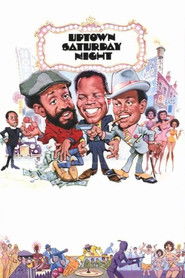
CLICK HERE🡇🡇🡇🎦_Watch Uptown Saturday Night 1974 English Subtitles_
Review
Uptown Saturday Night: A Cinematic Joyride with a Socio-Political Twist
In an era marked by social unrest and simmering discontent, the release of the movie “Uptown Saturday Night” provides much-needed relief. This vibrant escapade, set against the backdrop of a rapidly changing America, is an artistic achievement that not only entertains but also challenges societal norms.
Directed by Sidney Poitier and released in 1974, “Uptown Saturday Night” joyously captures the struggles and triumphs of two Black friends – Steve Jackson and Wardell Franklin – as they navigate a series of misadventures on their quest for a misplaced lottery ticket. With Poitier himself starring as Jackson alongside comedic legend Bill Cosby as Franklin, the film boasts an impeccable cast that delivers stellar performances.
The storyline unfolds against a gripping plot swimming with humor and satire. Steve and Wardell’s night on the town soon spirals into chaos when they find themselves caught up in a reckless heist orchestrated by an elusive gangster named Geechie Dan Beauford (Harry Belafonte). As their vastly different lives entangle in this whirlwind caper, Poitier skillfully weaves subtle commentary on race, class disparities, and systemic injustice into the narrative fabric.
One cannot help but be captivated by the chemistry between Poitier and Cosby. Their portrayal of lifelong friends resonates deeply with viewers as they effortlessly capture the essence of brotherhood. The duo’s nuanced performances showcase their undeniable talent, leaving no doubt about why they are regarded as two of Hollywood’s finest artists.
History enthusiasts will relish in this film’s historical significance. As one of the first mainstream movies featuring Black leads in comedic roles, “Uptown Saturday Night” broke barriers at a time when Hollywood predominantly relegated African American actors to secondary roles or stereotypes. Its success paved the way for more diverse stories to reach the silver screen, heralding a seismic shift in the industry’s landscape.
The film’s score, composed by Tom Scott, is an enchanting blend of jazz, funk, and soul that perfectly complements the vibrant visuals. It encapsulates the essence of the era and sets the tone for each scene. The popularity of its soundtrack, featuring memorable tracks such as “Pig Feet” and “Big Night,” further solidified its place in cinematic history.
The filming process for “Uptown Saturday Night” was not without its challenges. Given the limited budget allocated to the production, Poitier had to rely on his ingenious directing skills to create a visually stunning film. Despite these constraints, every scene oozes with grandeur and attention to detail. The sets are meticulously crafted, transporting audiences back to an era characterized by dazzling nightlife and soulful music.
Critical evaluation of this masterpiece lauds its seamless blend of genres. While it primarily falls into the comedy category, it also incorporates elements of crime and adventure. The result is a thrilling rollercoaster ride that keeps viewers on their toes while offering thought-provoking social commentary.
In recognition of its excellence, “Uptown Saturday Night” earned multiple accolades during awards season. Sidney Poitier received particular praise for his outstanding direction and portrayal of Steve Jackson. However, some critics argue that its success overshadowed potentially more deserving candidates from underrepresented communities who were working in relative obscurity.
Cinematography plays a crucial role in creating magical moments throughout the film. Each shot is carefully composed to highlight both the comedic timing and profound emotional depth exhibited by the characters. Notably, Poitier’s utilization of long takes adds an authentic sense of urgency to many key scenes.
While some dismiss criticisms about social inequalities portrayed in “Uptown Saturday Night” as mere nitpicking or overly sensitive reactions to humor, others argue that ignoring these concerns perpetuates harmful stereotypes. The film’s depiction of Black characters may be seen as reinforcing certain racial biases, although it is important to interpret the context in which it was released.
Production of “Uptown Saturday Night” faced its fair share of challenges. Budget constraints inevitably impacted the ability to achieve certain technical feats, resulting in occasional issues with special effects. However, this limitation did not overshadow the film’s overall impact and success.
The dialogue in “Uptown Saturday Night” crackles with wit and satire. Poitier masterfully navigates between lighthearted banter and thought-provoking reflections on society, leaving audiences both entertained and introspective. Memorable quotes such as Steve’s retort to an insult – “Don’t you call me no ‘boy’ – I’ll knock you into next week!” – showcase the film’s sharp writing.
Behind the scenes, a dedicated crew worked tirelessly to bring this cinematic gem to life. From costume designers who created stunning period outfits to set decorators who meticulously recreated 1970s Harlem, each member contributed their unique talents to the visual feast that “Uptown Saturday Night” offers.
While production has been universally praised, editing perhaps received less attention than warranted. Seamlessly blending multiple genres and storylines without sacrificing coherence or pace is no small feat. This accomplishment can largely be attributed to skillful editing techniques that maintain a tight grip on viewers’ attention from start to finish.
In conclusion, “Uptown Saturday Night” is a powerful testament both to the artistic genius of its creators and its profound impact on American cinema. Its engaging storyline, impeccable acting, social relevance, and unforgettable moments make it a must-watch for anyone seeking an exhilarating escape while reflecting on society’s contradictions.
As with any influential work of art, criticism exists alongside its overwhelming acclaim. Still, the enduring popularity of “Uptown Saturday Night” speaks volumes about its impact on audiences who continue to appreciate its timeless charm. Long after the credits roll, its characters and themes will linger in viewers’ minds, reminding us all of the enduring importance of inclusive storytelling.
Technical Data

- Release : 1974-07-26
- Runtime : 104
- Genre : Comedy
- Cast : Sidney Poitier as Steve Jackson, Bill Cosby as Wardell Franklin, Harry Belafonte as Geechie Dan Beauford, Flip Wilson as The Reverend, Richard Pryor as Sharp Eye Washington
- Crew : Pembroke J. Herring as Editor, Pembroke J. Herring as Associate Producer, William Ladd Skinner as Set Designer, Jophery C. Brown as Stunts, Robert De Vestel as Set Decoration
- Revenue : 0
- Budget : $3,000,000
- Company : Verdon Productions Limited, First Artists
- Popularity : 4.368
- Summary : Two blue-collar buddies search the underworld for a winning lottery ticket lost in a nightclub holdup.
- Tagline : They get funny when you mess with their money.
